
Fashion: Taste, Signaling, and Personal Presentation
Clothing is a tiny share of a wealthy household’s budget — and the pieces have never cost more. Here’s where the money actually goes, what it buys, and who the signal is aimed at.
Jets, yachts, cars, watches, art, fashion, wine, spirits, restaurants, casinos, helicopters.

Clothing is a tiny share of a wealthy household’s budget — and the pieces have never cost more. Here’s where the money actually goes, what it buys, and who the signal is aimed at.
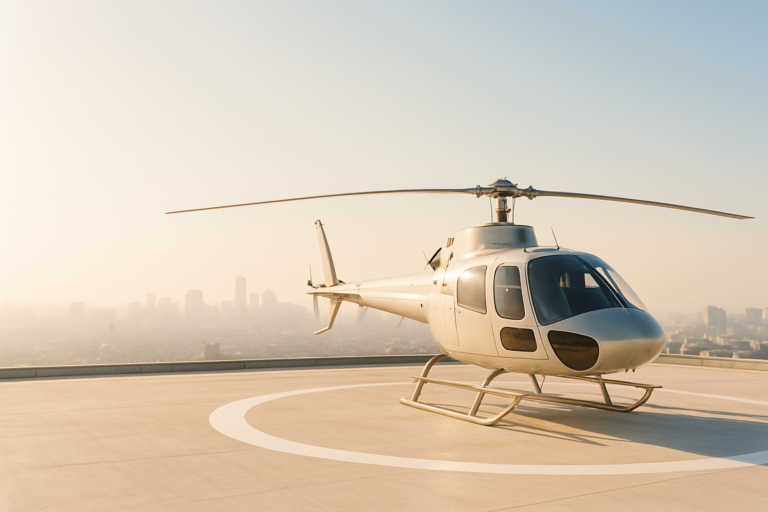
A private helicopter is the purest time-for-money trade there is — useless over long distances, unbeatable in traffic. Inside what it really costs to book, charter, or own one, and the safety math wealth can’t buy away.

Fine wine is the only luxury asset you can drink — which is the whole problem. Inside what the wealthy actually collect, what it costs to store, and why the market just fell 25%.

Racehorses, polo ponies, and show dogs are trophy assets where the purchase price is the small part. Here’s who buys them, what they really cost, and why.
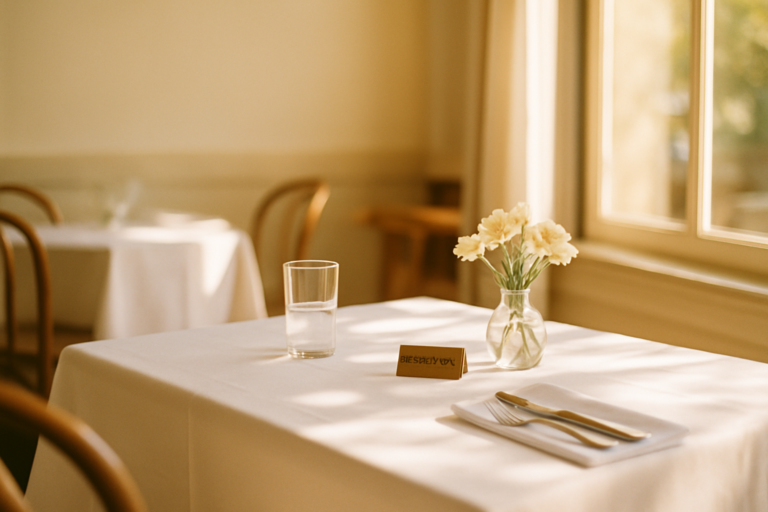
The hardest tables in America now have a price — from $400 resale reservations to $500-a-head minimums and $750 omakase. Inside the reservation economy.
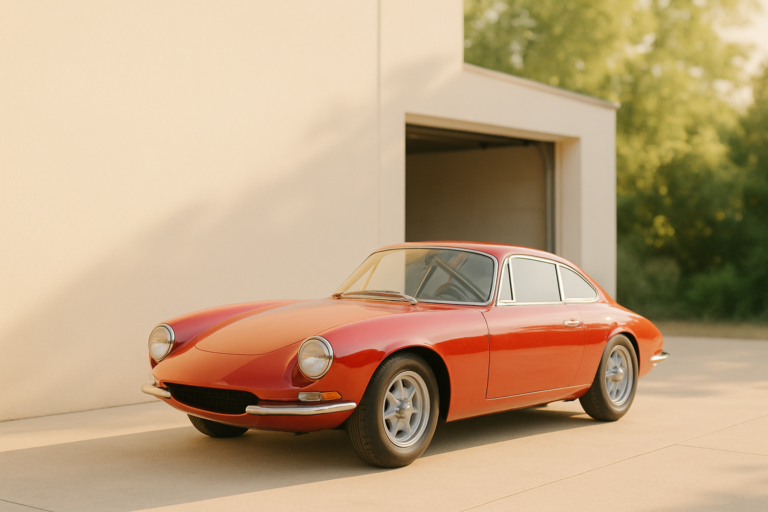
A single 1955 Mercedes sold for $142 million while a new supercar can lose six figures in three years. Here’s how the wealthy really treat cars — and why only a sliver of them are an “investment.”
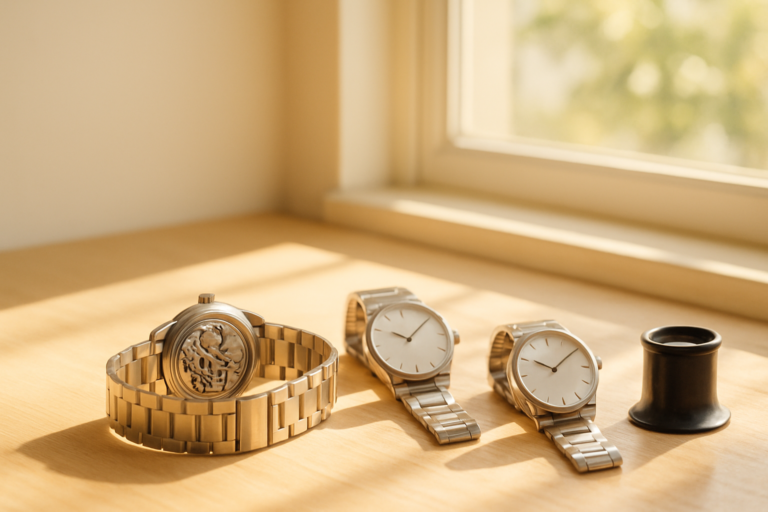
A steel Patek Philippe sold for $31 million. Here’s how the wealthy really treat watches — as portable, semi-liquid stores of value and quiet status, not investments.

Fine art is a $58 billion market — but the wealthy increasingly treat paintings less as investments than as collateral, status, and an estate-planning tool. Here’s how it really works.